
cn
cn

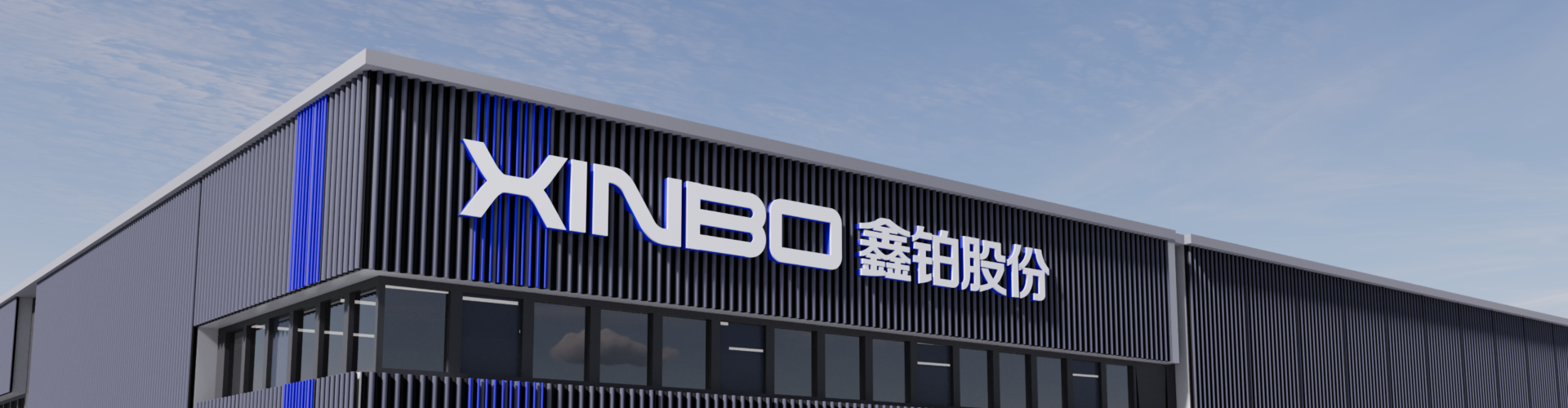
Against the backdrop of growing demand for lightweight new energy vehicles, diversified photovoltaic aluminum frames, and the circular utilization of recycled aluminum, higher requirements are being placed on high-end alloy materials in terms of performance, lightweight design, and rapid iteration.
The establishment of the Research Institute aims to build a physical platform capable of responding quickly to market needs, sharing R&D resources, and tackling common technical challenges.
The Research Institute will adopt an innovative structure combining an enterprise consortium with an open platform.
Supported by joint investment from multiple companies across the industrial chain, the institute will focus on common technical challenges in actual production, promoting close alignment between R&D and industrial demand. This will mainly be reflected in the following areas:
Technology-driven core:
Focusing on the R&D of high-end alloy materials, from basic formulation to process optimization, the institute will provide continuous and targeted technical support for Xinbo’s three major business sectors.
Industrial coordination hub:
By connecting technical needs across photovoltaic, automotive, and green recycling sectors, the institute will promote the transformation and application of material solutions across different business segments.
Open innovation platform:
Through external technical cooperation and services, the institute will absorb advanced industry achievements, strengthen Xinbo’s own technology system, and promote joint technological breakthroughs among upstream and downstream enterprises across the industrial chain.
From material development to application, the Research Institute aims to achieve full-chain innovation breakthroughs, enhance the technological innovation capabilities and international competitiveness of alloy material industries such as aluminum, magnesium, and copper, and further strengthen Xinbo Co., Ltd.’s market influence.

Scan QR Code