
cn
cn

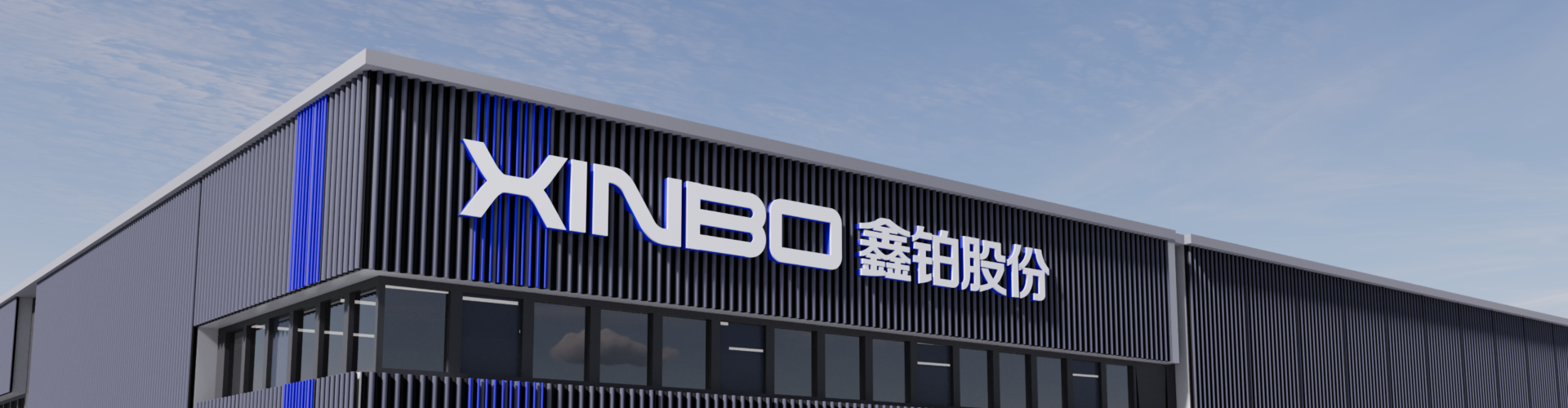
Today, a special training session for front-line production managers and key workers was successfully held at Xinbo Environmental Protection. This training was led by Liu Ming, the factory director of the Production Center of the Recycled Aluminum Division. The content was practical and the explanations were in-depth, aiming to enhance the comprehensive capabilities of grassroots managers and optimize the management level of the production site.
Face up to the problems and clarify the management shortcomings
At the beginning of the training, the speaker started with a question-and-answer session to guide production managers to examine common problems in team operations: First, on-site management is passive. Most team leaders act as "firefighters", only solving problems when they occur, lacking source prevention. Second, the implementation of the system was ineffective, with poor results. There was insufficient review and summary, and no effective accumulation of experience or optimization of processes was formed. These candid exchanges and analyses help production managers clearly recognize the room for improvement in their own work.
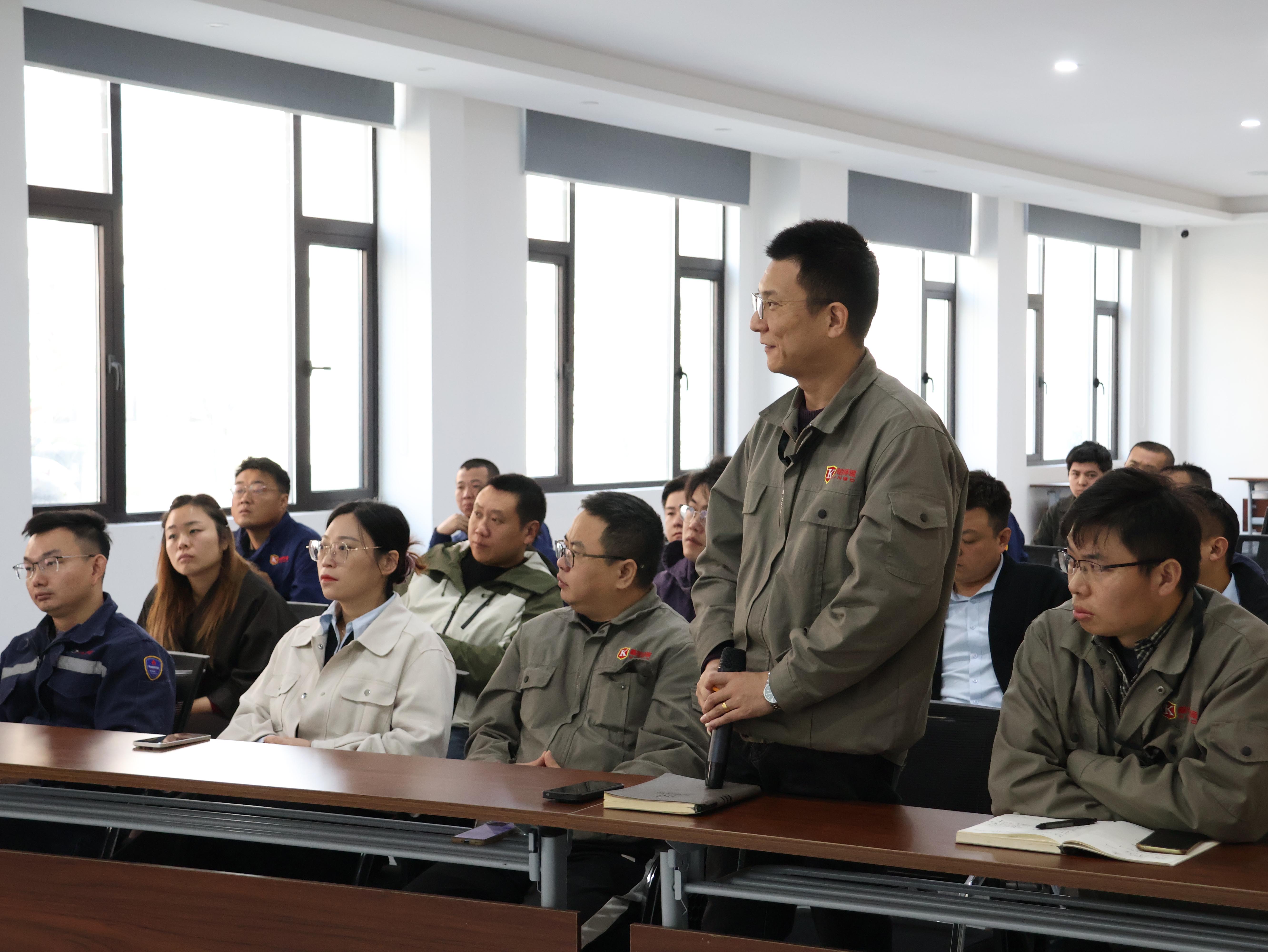 Accurately position yourself and sort out your job responsibilities
In response to the question of "What role should a team leader play?", the training pointed out that they are a crucial link between the upper and lower levels, being not only the executors of production tasks but also the commanders and coordinators of on-site work. Based on this role positioning, by sorting out the work contents such as "the first thing to do at work" with the trainees, it helped the team leaders clarify their responsibilities and master the methods, providing them with a clear work approach.
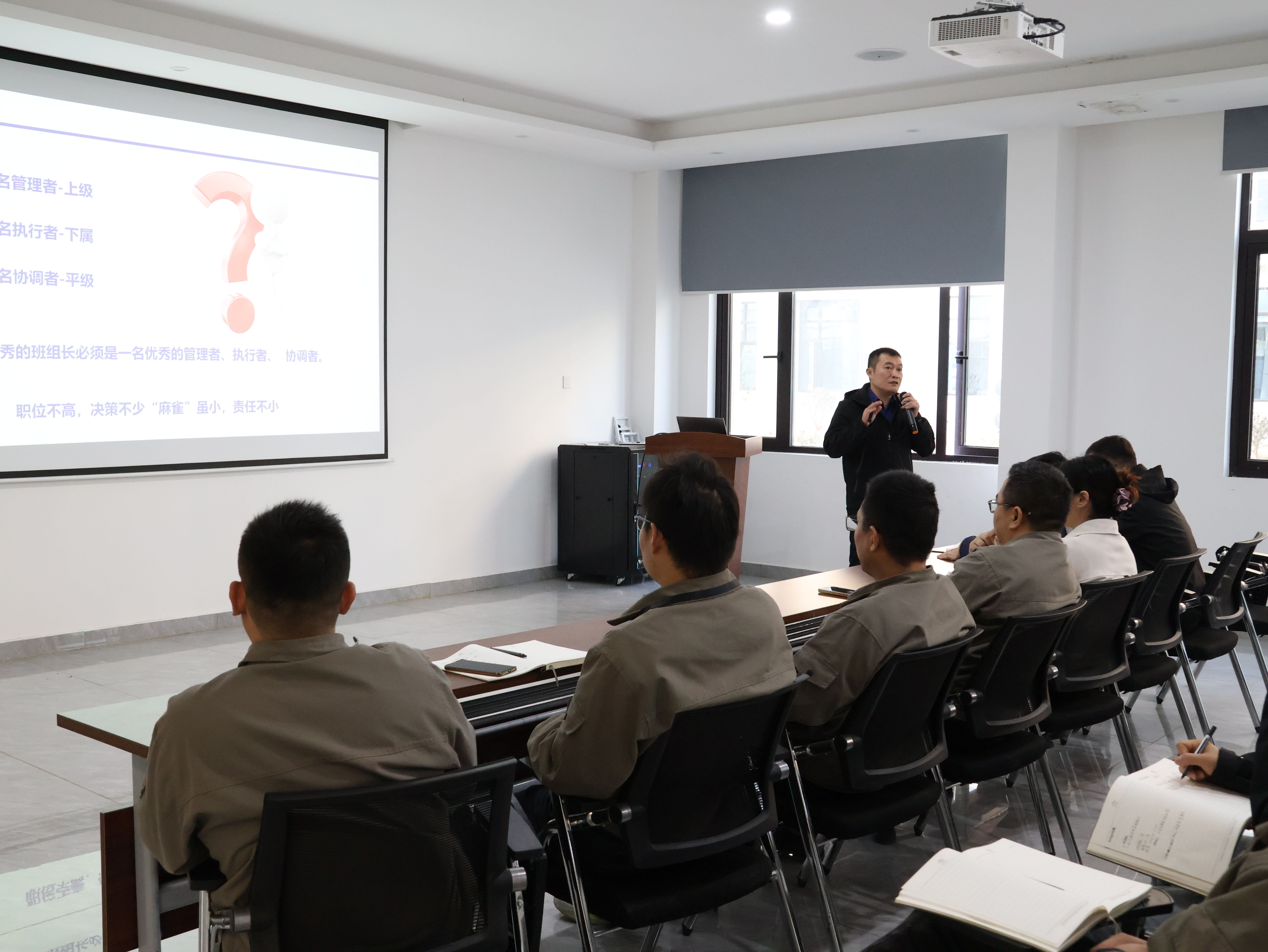 Focus on the core and enhance on-site efficiency
The formulation of production plans and the management of the production site are the core tasks of team leaders. The training focused on explaining how to formulate and implement production plans more effectively, as well as how to deal with various abnormal situations on the production site. In terms of personnel and position management, the principle of "fixed positions and fixed staff" has been emphasized. At the same time, it is advocated that teams help each other and provide reasonable incentives to enhance overall efficiency and ensure balanced and orderly production.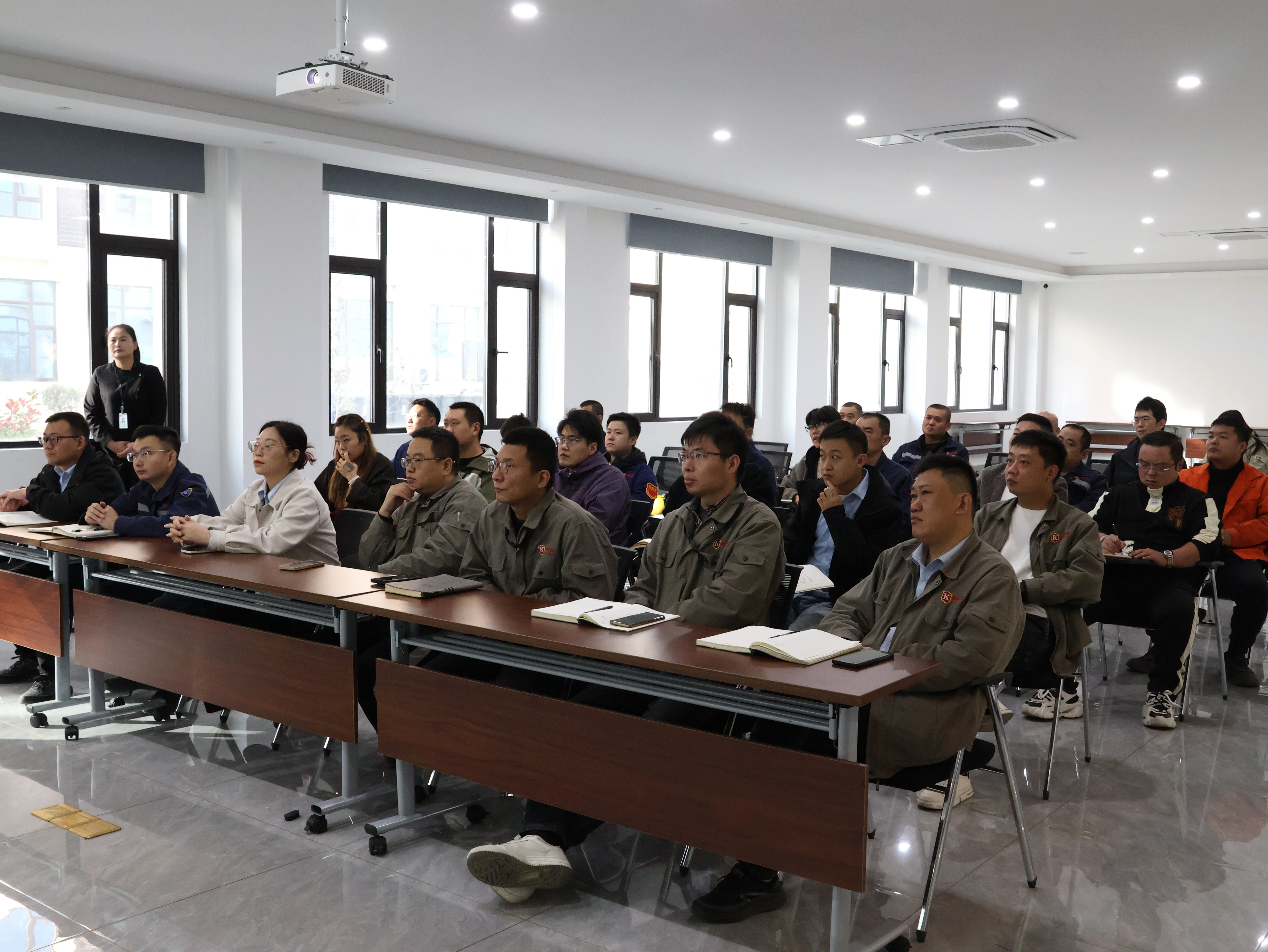
This training not only enabled production managers to clarify their responsibilities and learn methods, but also conveyed a clear signal that the company attaches great importance to grassroots management and employee growth, effectively "recharging" for improving the overall production management level. In the future, the company will continue to carry out a series of training programs to enhance management capabilities, improve the construction of the talent echelon, open up internal competitive recruitment channels, and provide a broad development platform for capable front-line production workers.

Scan QR Code